4 Simple Steps To Reduce E-Waste at Home
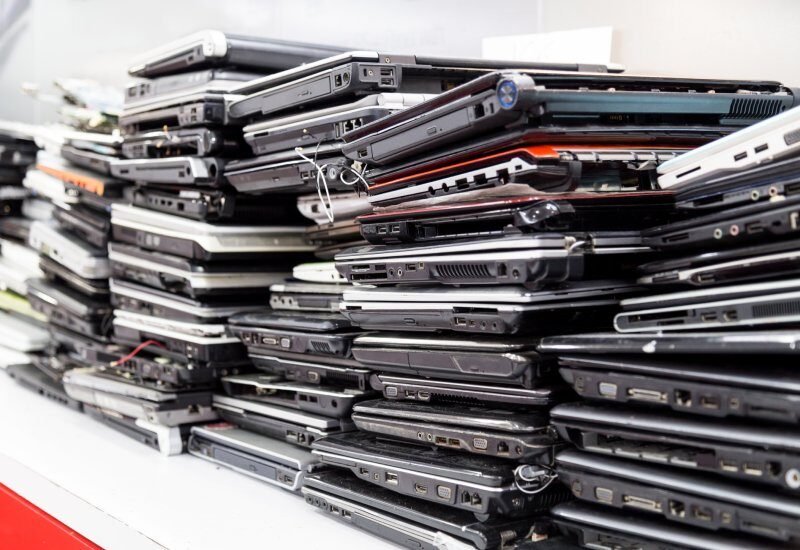
Listen, we all love our screens—phones, laptops, tablets, and the hardware that keeps us connected. They are the high-fidelity interfaces for our digital lives. But here is the tactical reality: we have an escalating crisis known as electronic waste, or e-waste. Every time you swap a “legacy” device for the latest flagship model, that old hardware doesn’t just vanish. Globally, we generate over 53 million metric tons of e-waste annually, and much of it ends up in landfills where it undergoes toxic leaching, allowing heavy metals to infiltrate the groundwater and disrupt local biological systems.
Electronic devices might look sleek and harmless on the outside, but their internal architecture is a cocktail of hazardous materials like lead, mercury, and cadmium that require precise disposal protocols. Conversely, these gadgets are also “urban mines” containing high-density valuable materials: gold, silver, and copper. In fact, one ton of discarded smartphones contains significantly more gold than a ton of raw gold ore. Reducing e-waste isn’t just about being a “green” consumer; it’s about tactical resource management. If you want to level up your environmental impact, check out how to have Green Fun by reducing the ecological footprint of your hobbies. Here are four mission-critical steps to reduce e-waste at home.
Think Before You Upgrade
It is incredibly easy to get caught in the hype cycle of new product launches. But before you drop your budget on a new iteration, run a system diagnostic on your current tech. If your battery health is still above 80% and your processing speeds aren’t bottlenecking your daily workflow, you probably don’t need that upgrade yet. Understanding why new phones become outdated so quickly can help you see through the marketing noise of planned obsolescence. Keep your current gear in the field longer by using military-grade protective cases, avoiding thermal stress (keep them out of the sun!), and maintaining software patches to optimize battery efficiency. Your wallet—and the planet—will thank you for the extra 12–24 months of service life.
Repurpose Old Devices
If you have officially retired a smartphone, don’t let it sit in a “junk drawer” where its lithium-ion battery can degrade and potentially swell. Repurpose that hardware into a dedicated tool. An old phone can serve as a high-def webcam, a dedicated alarm clock, a dedicated Spotify station for your room, or a hardware security key. If the hardware is still functional but you have no use for it, donate it. Many organizations provide refurbished tech to students or veterans who need reliable connectivity. Just ensure you perform a full data wipe—overwrite the storage sectors so your personal info stays private. Think of it as passing on tactical gear to the next squad.
Ad · If you sign up through this link, TWK earns a commission at no extra cost to you.
Prime for $6.99 a month if your family qualifies
Half price for households on government assistance, or with verified income. Same Prime — free delivery, Prime Video, Amazon Music.
CHECK IF YOU QUALIFYAs an Amazon Associate, TWK earns from qualifying purchases.
Recycle Electronics Properly
There are many responsible ways to dispose of electronic waste that don’t involve a trash can. When a device reaches its absolute end-of-life, recycling is the only play. This ensures that the 60+ elements found in a typical smartphone—including rare earth metals—can be reclaimed and fed back into the manufacturing loop. Look for “e-Stewards” or “R2” certified recyclers in your area; these certifications guarantee that the waste isn’t just shipped overseas to be burned in unsafe conditions. This is how we move toward a circular tech economy.
Repair Before You Replace
When a screen cracks or a charging port gets finicky, your first instinct shouldn’t be the “Buy Now” button. We are entering the “Right to Repair” era where modular components are becoming more accessible. You can often swap a battery or a screen for 10% of the cost of a new device by following high-fidelity video tutorials. Local repair shops can also handle these technical extractions efficiently. By choosing to repair, you are directly fighting the “throwaway culture” and extending the operational lifespan of your tech. It’s a pro-move that demonstrates technical competence and environmental stewardship. Remember, young heroes are finding ways to save the planet through actions exactly like this one.
Reducing e-waste at home doesn’t require a massive lifestyle overhaul—just a tactical shift in how you view your hardware. By making smarter choices about procurement, maintenance, and end-of-life disposal, you’re protecting the ecosystem and keeping valuable materials out of the dirt. Stay smart, stay tactical, and keep your tech running as long as the specs allow!
Tactical Specs: E-Waste Control
- Target Lifespan: 4+ years per mobile device.
- Battery Metric: Replace internal cells when capacity drops below 80%.
- Toxic Load: Zero-tolerance for Mercury/Lead in general waste streams.
- Urban Mining Yield: ~34g of gold per ton of mobile circuit boards.
- Security Protocol: 3-pass data wipe before hardware disposal.