Do You Really Need an Extra Screen? Pros and Cons for Laptop Users
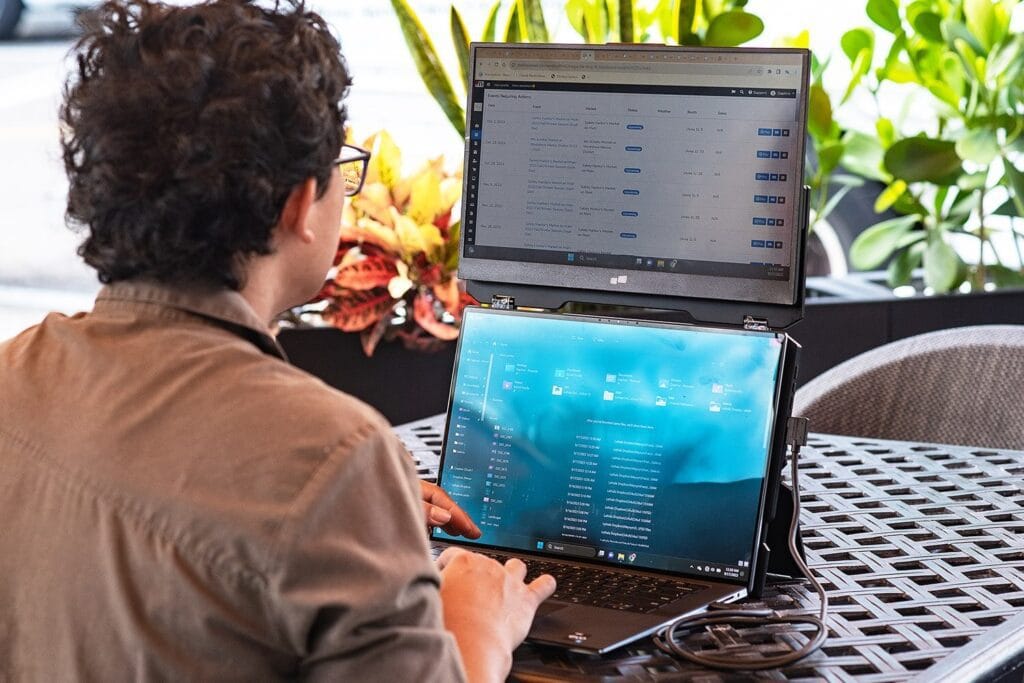
Additional screens are no luxury to most laptop users, but almost a necessity. Remote working, online learning, and creative work processes have made multitasking no longer an exception but rather a norm. However, the popularity of dual screens doesn’t imply that everyone needs one. The actual issue is, does an additional screen make you more productive, or is it just another digital distraction?
What Do We Mean by an “Extra Screen”?
An additional screen often means an external monitor that is hooked to your laptop. It may be a full-size desktop monitor, a portable USB-C screen, or a second-screen tablet. Both options have more space to be visualized, although the experience can be quite diverse depending on the setup and use.
Common Use Cases for Laptop Users
Users can use additional screens to do everything, including leaving emails open at meetings, editing videos, coding, studying, or playing games. It is pleasant to have multiple windows open simultaneously instead of having to keep alternating between tabs and applications.
The Pros of Using an Extra Screen
Improved Productivity and Multitasking
A second screen is one of the greatest benefits and enhances multitasking. You may write and research, have video calls and take notes, or compare documents simultaneously. For many users, this minimizes interruption and makes the workflow more natural.

If you’re looking for a portable additional display, you must try the Duex Float extra screen for laptop!
Better Workflow for Creative and Technical Work
Extra screen space is usually the most useful to designers, video editors, developers, and analysts. Timelines, tool panels, previews, and dashboards are easier to manage when they are not crammed into one screen. It can make complicated work less limiting.
Reduced Mental Friction
Where information is visually divided across screens, the brain takes less time to recollect what is concealed behind tabs. This makes work much more orderly and less brain-draining to some users, particularly during long working hours.
The Cons of Adding an Extra Screen
Cost vs. Actual Value
A decent monitor is a costly item, and there is no sure profit from the investment. When you do not have to multitask or use complicated layouts, an additional screen can go to waste. In such instances, the expense may supersede the advantage.
Space, Portability, and Setup Challenges
Not all people have the space on the desktop to install another monitor. Additional screens also include cables, power needs, and installation time. This is particularly annoying when working hybrid or on the go, when you need to travel to different locations.
Increased Distraction and Screen Fatigue
The additional screen space may bring with it additional distractions. Alerts, open browsers, and continual visual stimuli may divide but not enhance concentration. An additional screen can be a source of additional fatigue to those users who are already vulnerable to digital fatigue.
Who Actually Benefits from an Extra Screen?
Users Likely to See Real Gains
This can be the greatest benefit of the remote professionals, developers, designers, analysts, and anyone who has a stable desk setup. With a second screen, you can get a true upgrade in case your job requires you to operate the various tools or sources simultaneously.
Users Who May Not Need One
General users, light-task students, and individuals who work on the move may not find much value. In the case of a simple and focused workflow, one screen can be sufficient.
Alternatives to Buying an Extra Screen
Smarter Window Management
Without additional equipment, split-screen functions, virtual desktops, and keyboard shortcuts can become very helpful in increasing productivity. Most users don’t realize the extent to which such tools can assist them.
Using a Tablet or Old Device
Older computers or tablets may be used as secondary screens when necessary. This is a possibility that provides more space without a permanent arrangement.
So, Do You Really Need One?
An additional screen could be an effective weapon, yet it is not a productivity insurance. The correct decision would be based on your way of working, space, and focus management skills. Occasionally, it is the habits that are more significant than pixels.