The Science of Aging Gracefully: What Modern Facial Rejuvenation Really Looks Like
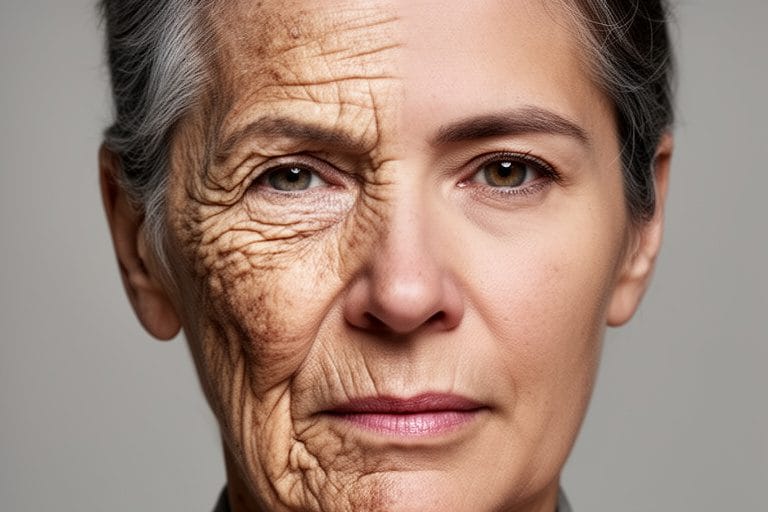
For decades, the idea of facial rejuvenation carried a certain stigma — images of pulled, unnatural results that announced themselves before the person even spoke. That perception is changing rapidly. Today, advances in surgical technique, a deeper understanding of facial anatomy, and a cultural shift toward authenticity have transformed what it means to age on your own terms. More people than ever are exploring options that help them look like a refreshed version of themselves, not a different person entirely. Understanding the landscape of modern facial rejuvenation is the first step toward making informed, confident decisions.
How the Face Actually Ages
To appreciate why modern rejuvenation techniques work so well, it helps to understand the mechanics of facial aging. The process is far more complex than simple skin loosening. Over time, the face loses volume in key areas, including the cheeks, temples, and around the mouth. Fat compartments that once sat high and full begin to descend. Ligaments that anchor soft tissue to the underlying bone gradually stretch and weaken. Bone itself undergoes resorption, meaning the structural scaffold of the face subtly changes shape.
The result is a combination of descent, deflation, and textural change that no single treatment can fully address. This is why the most effective approaches to facial rejuvenation treat multiple layers of the face simultaneously, rather than focusing exclusively on surface skin. Surgeons and researchers have spent years studying these anatomical changes, and that knowledge now directly informs the techniques available to patients.
Why Surgical Technique Matters More Than Most People Realize
Not all facelift procedures are created equal. The difference between a dated, overly tight result and a natural, harmonious outcome often comes down to which anatomical layer the surgeon addresses. Early facelift techniques focused primarily on pulling and trimming skin, which produced the telltale windswept look that gave the procedure a poor reputation.
Ad · If you sign up through this link, TWK earns a commission at no extra cost to you.
Prime for $6.99 a month if your family qualifies
Half price for households on government assistance, or with verified income. Same Prime — free delivery, Prime Video, Amazon Music.
CHECK IF YOU QUALIFYAs an Amazon Associate, TWK earns from qualifying purchases.
Modern approaches work at deeper levels of the facial anatomy. The most sophisticated of these is the deep plane facelift, a technique that releases and repositions the deeper muscular and fascial layers of the face rather than simply tightening the overlying skin. Because this approach addresses the actual source of descent rather than just its visible effects, results tend to look more natural and last significantly longer. The skin is allowed to redrape without tension, which eliminates the pulled appearance that has long been associated with facial surgery. Surgeons who specialize in this technique undergo years of additional training to master the complex anatomy involved.
The Role of Non-Surgical Treatments in a Comprehensive Plan
Surgery is not the only tool in the modern rejuvenation toolkit, nor is it always the right starting point. Injectable treatments such as neuromodulators and dermal fillers have become remarkably sophisticated, offering meaningful results for patients in earlier stages of aging or those who prefer a non-surgical path. Laser resurfacing, radiofrequency treatments, and ultrasound-based therapies can improve skin texture, tone, and mild laxity without any incisions.
The most thoughtful approach to facial rejuvenation is a staged one. Many patients begin with non-surgical options in their thirties and forties, then consider surgical intervention when volume loss and tissue descent reach a point that injectables can no longer adequately address. This kind of long-term planning, guided by a qualified specialist, tends to produce the most natural-looking results over time. The goal is never a single dramatic transformation but rather a consistent, well-maintained appearance that evolves gracefully.
Mental and Emotional Wellbeing: An Often Overlooked Dimension
The conversation around facial rejuvenation is increasingly including mental health as a legitimate and important component. Research and clinical observation consistently show that when people feel good about their appearance, it can positively affect self-confidence, social engagement, and overall quality of life. This is not vanity in the superficial sense. It reflects a well-documented connection between physical self-perception and psychological wellbeing.
According to the Mayo Clinic, self-esteem and body image are closely linked to mental health outcomes, and addressing concerns that cause genuine distress can be a meaningful part of overall wellness. This perspective helps reframe the conversation around cosmetic procedures. Rather than viewing them as purely aesthetic indulgences, it becomes possible to understand them as one component of a broader commitment to health and quality of life. That said, the most responsible practitioners also screen carefully for patients whose motivations stem from unrealistic expectations or underlying psychological concerns, ensuring that surgery is pursued for the right reasons.
Choosing the Right Specialist and Setting Realistic Expectations
Perhaps the most important factor in any facial rejuvenation journey is the selection of a qualified surgeon or provider. Board certification in plastic surgery or facial plastic surgery is a baseline requirement, but it is far from the only consideration. Prospective patients should look for a specialist with extensive, demonstrable experience in the specific procedures they are considering, a portfolio of before-and-after photographs that reflects a range of patient types, and a consultation process that prioritizes education and honest communication over sales.
Realistic expectations are equally critical. A skilled surgeon will never promise to turn back the clock twenty years or guarantee a specific outcome. What they can offer is a thoughtful assessment of what is achievable given a patient unique anatomy, skin quality, and goals. The best results come from a genuine partnership between patient and provider, grounded in mutual trust and clear communication. Patients who come prepared with questions, who have done their research, and who approach the process with patience tend to have the most satisfying experiences.
Aging is a universal human experience, and the desire to feel confident and vital at every stage of life is entirely natural. Modern facial rejuvenation, when pursued thoughtfully and with the guidance of a skilled specialist, offers genuine options for those who want to look as energetic as they feel. The field has evolved dramatically, and today techniques prioritize harmony, longevity, and authenticity above all else. Whether the path involves surgery, non-surgical treatments, or a combination of both, the most important step is simply becoming informed about what is truly possible.