How To Avoid Mistakes When Building Your Dream Home
“There’s no place like home.” While living in a dormitory or far from their hometown, many people find this expression amazingly accurate. You live with your parents while you’re young, and this is what you call “home,” but you have to think about your own place to live when you grow older and start your own family. When people have already found a lucrative job and they have been in a stable relationship for a long time, people generally take the plunge and decide to buy a flat or build a home. Then what they think of is settling down in their paradise, where at the end of the day they can relax and enjoy each other’s company. But before building your first home, what do you have to know? Is it an easy task, or will you need more help than you thought? If you’re planning on building your dream home, take a look at the tips below to avoid any potential mistakes.
https://www.pexels.com/photo/new-home-construction-site-in-elk-grove-california-37175977
Plan your interior design in advance
Before building the entire house, why is it so important to construct your interior design? Since your builders need to know how to design your rooms in order to arrange your furniture the way you want it. Think about the size and height of your kitchen, bedroom or bathroom furniture you want to bring in. It would be better if you picked some models and booked them in advance in a furniture shop to make sure that once your building is completed, it’ll be ready to move right in. For floors, countertops, backsplashes, soft textures, etc, you should do the same not only to get the best bang for your buck, but to save time decorating once you’ve moved in.
Plan for landscaping and outdoor spaces
When people imagine their dream home, they often focus entirely on the interior and forget about what happens outside. Your garden and outdoor spaces can have just as much impact on your day to day life as the rooms inside your house. Think carefully about how you want to use the space. You may prefer a simple low maintenance garden, or perhaps you want flower beds, trees, vegetable patches, and areas for entertaining family and friends. If keeping on top of lawn care isn’t something you enjoy, you might even want to plan space for a robotic lawn mower to help keep everything neat with minimal effort. Whether you’re creating a large patio, a peaceful seating area, or a family friendly garden, make sure these plans are shared with your builder so your outdoor spaces feel like a natural extension of your home.
Ad · If you sign up through this link, TWK earns a commission at no extra cost to you.
Prime for $6.99 a month if your family qualifies
Half price for households on government assistance, or with verified income. Same Prime — free delivery, Prime Video, Amazon Music.
CHECK IF YOU QUALIFYAs an Amazon Associate, TWK earns from qualifying purchases.
Think about where your electrical outlets go
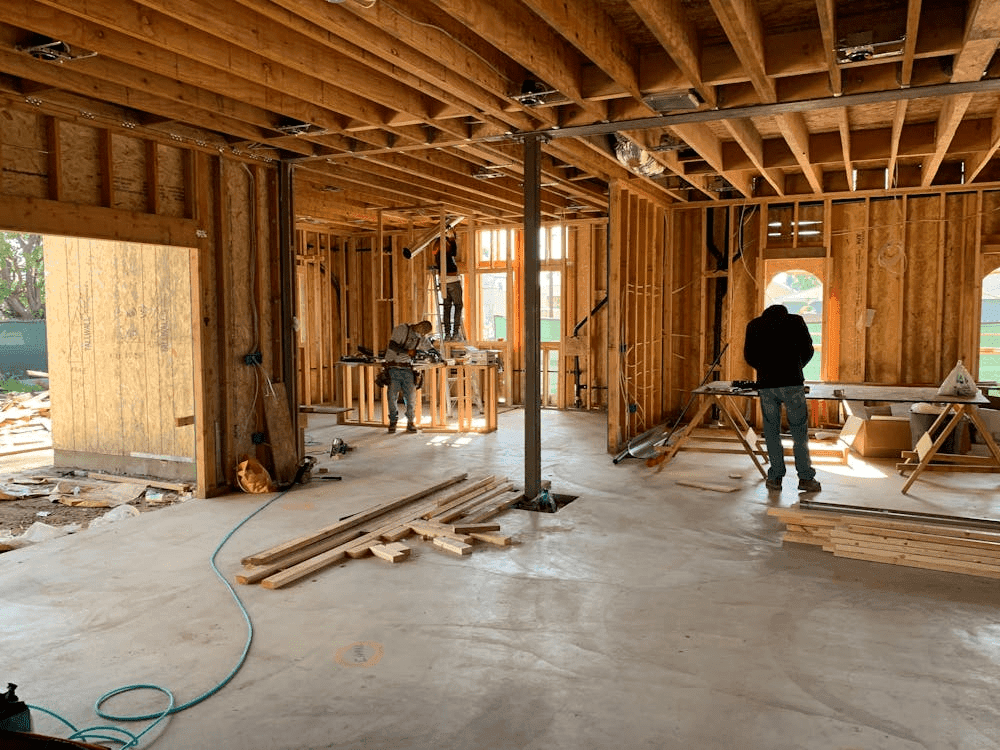
One of the other advantages of designing your interior before your dream home has been built is that you can decide where your electrical outlets are placed. If you know where you’re going to place your TV in the lounge, and your kitchen appliances in your new kitchen, then you’ll be able to place outlet points nearby each of these electrical items. You should also think about other electrical outlet points for irregular use such as plugging in your vacuum, charging your phone or other devices, or even plugging in a bedside table lamp in your bedroom. Take the time to play around with different placements for your furniture so that you can place outlets in the most convenient spot.
Don’t forget about storage space
When planning your home, it’s easy to forget how much storage space you’ll need in your day-to-day life. From kitchen cabinets to closets, the amount of storage in your home can make a huge difference in how comfortable and organized you feel. Think ahead about what items you plan to store and make sure you have enough dedicated space to keep your home clutter-free. Consider areas like the garage or basement for additional storage, and even under-bed storage in bedrooms for added functionality.
https://www.pexels.com/photo/working-on-building-interior-4642437
Don’t overlook your roof
When planning the construction of your dream home, many people focus primarily on the interior design, layout, and aesthetics, but it’s equally important to consider the maintenance of the exterior elements, such as your roof. Your roof will protect your home from the elements for years, so proper planning is essential. Opt for high-quality roofing materials that will stand the test of time and climate conditions. Don’t forget to schedule regular inspections and maintenance. A well-maintained roof not only extends its lifespan but also ensures your home remains safe and dry. Roofing maintenance should include checking for damaged shingles, cleaning gutters, and ensuring proper insulation. Investing in your roof early will save you money on potential repairs later on and provide peace of mind that your home’s structure is secure.
Protect your home from the elements.
It may be wise to weather-proof your property if you live in a high-risk location for natural disasters like floods or earthquakes. If you live in an area prone to flooding, you may need to dig the ground around your house to direct rainwater away from the foundation, or you may need to reinforce the walls of your home with fiber cement siding to withstand earthquakes. Even if the upfront cost is high, you can rest easy knowing that your house is as secure as it can be and that you will save money in the long run.
Oversee the construction!
You won’t be able to help yourself when the build of your home begins, as you’ll literally be able to see your dream home being built before your eyes. But, there’s another advantage of overseeing the construction too. Knowing where sewage points are and how to access them – along with many other things – means that if there are any problems in the future with your home, you know how and where to access them.
Final touches and personalization
As your new home nears completion, take time to think about the final touches that will make your space uniquely yours. Whether it’s adding custom light fixtures, incorporating specific design elements, or choosing a signature color palette, these small decisions can greatly impact the overall feel of your home. Personalization ensures that your house becomes a reflection of you and your family’s personality, so don’t overlook these details. Make sure to work closely with your interior designer or contractor to make these final adjustments before you move in.