Teen Drivers in Tech-Heavy Cars – The New Risks on Seattle Roads
Rain streaks across Seattle windshields as teens face dashboards glowing with icons, sensors, and prompts. Lane keeping, adaptive cruise, and camera systems react faster than reflexes but confuse new drivers when alerts trigger mid-turn or on slick pavement. Inexperience meets automation, and the gap between reaction and comprehension grows wider with every update notification.
Parents now treat system versions like safety checks. Each update alters how the vehicle brakes or warns, shaping both confidence and accountability. When event logs or telematics apps record mistakes differently from memory, insurance rates and court outcomes shift. Seattle families now track version changes, discuss automation limits, and adjust household driving rules before trouble starts.
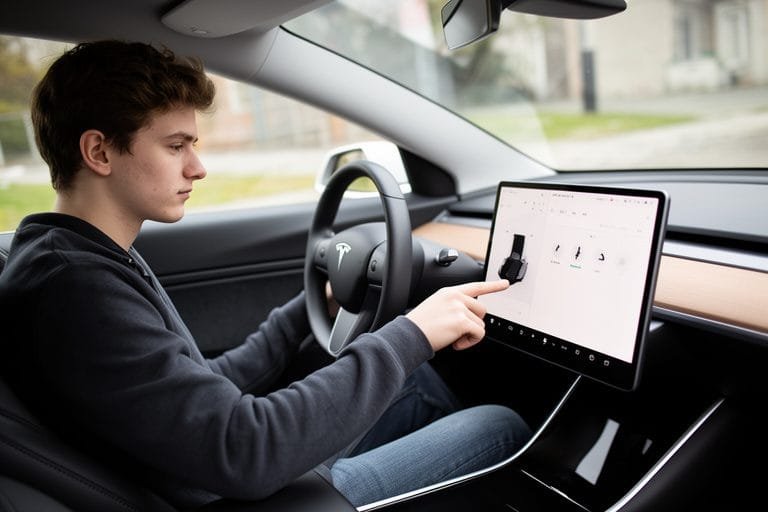
Smart Cars, Real Consequences
Automated safety tools reduce errors but can’t dispute citations. Teen drivers in Seattle learn that an illuminated alert won’t defend them when adaptive cruise or lane centering reacts late on a steep, rain-slick hill. Families often turn to a traffic lawyer who can cut through confusion, explain how automation data is read in court, and keep a single mistake from defining a young driver’s record.

As an Amazon Associate TWK earns from qualifying purchases.
Traffic attorneys now examine event logs, camera clips, and telematics data to trace what happened before an infraction. These digital traces confirm or challenge officer notes and influence how judges view a teen’s intent. Parents and young drivers who record version histories, save system settings, and rehearse alert responses lower the chance that a simple ticket turns costly.
When Your Car Becomes Evidence
Vehicle-generated logs increasingly appear in Seattle traffic court, creating a detailed timeline for incidents. Event data recorders, onboard cameras, and telematics apps capture speed, brake inputs, alerts, and timestamps that attorneys compare against officer notes. Washington’s Privacy Act can restrict access to some cloud-stored records, which affects how and when that material is used.
Many families are startled by how completely a vehicle documents every second before a citation. Archiving system logs, dealership service records, and software maintenance receipts right away can make the difference between confusion and clarity in hearings. Simple habits—taking screenshots, saving app entries, and storing receipts—turn technology from a liability into protection.
The Insurance Domino Effect
A single citation in a connected car can inflate premiums for years. Insurers treat ignored alerts, manual overrides, or outdated system versions as driver fault. Even small distracted-driving tickets in King County can produce multi-year premium hikes that outlast probation, squeezing family budgets already stretched by repair costs, legal fees, and higher coverage rates.
Quick, documented responses can limit the damage. Hiring a traffic lawyer may downgrade charges or reduce point totals. Saving telematics snapshots, noting recent version dates, and informing insurers promptly creates leverage for negotiations. These habits help drivers and parents show accountability, control premium increases, and preserve a clean record even when vehicle technology complicates fault.
Parents on the Hook
Ownership or co-signing insurance for a tech-heavy car places legal exposure on parents beyond a moral obligation. Washington’s vicarious liability rules tie registered ownership and insurance to citations, so parents should treat permissions and vehicle registration as formal risk decisions. Written agreements about autonomous functions, curfews, and phone use set clearer household rules.
Keep digital records of maintenance, calibration logs, and software update receipts; those files can support claims of technical malfunction when event data is questioned. Showing up at hearings provides parents a chance to explain permissions, repairs, and household limits, which often influences how judges and insurers assess responsibility and suggests practical next steps.
The Courtroom Tech Check
Courts have begun treating software behavior as part of the liability picture, requiring technical records to show if a system failed or was deactivated at a decisive moment. Attorneys routinely extract firmware exports, calibration certificates, and system change records to test claims about what the vehicle did versus what the driver intended.
Judges weigh firmware exports and calibration logs against testimony, since Washington emphasizes driver control unless software failure is clear. Credible timestamps and signed service records often decide outcomes. Families who save update receipts, download system logs, and ask counsel to preserve vehicle records improve the chances that technical evidence will alter a case.
Seattle’s roads now host cars that record, react, and remember everything their teenage drivers do. Each alert, update, and log entry can influence how insurers and courts interpret an incident. Families that understand this digital trail gain power over outcomes. Keeping update receipts, archiving app screenshots, and consulting a traffic lawyer after any citation turns technology into evidence for—not against—the household. Teaching teens how automation works and where it stops creates safer, smarter driving habits. Preparation now prevents confusion later, protecting both safety and financial stability in Seattle’s tech-heavy traffic.