Activities Stud Earrings Handle Better Than Hoops or Dangles
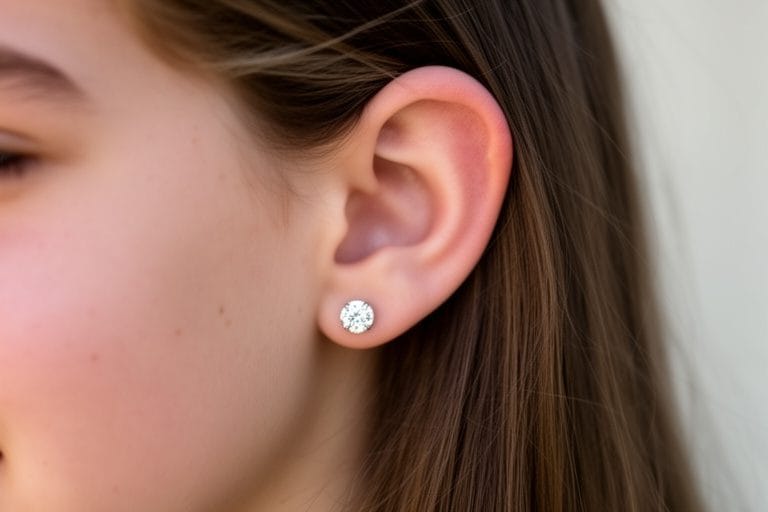
Stud earrings are easy to overlook, yet they quietly outperform hoops and dangles in everyday life. Because they sit close to the ear and barely move, studs tend to feel simpler and more comfortable during sleep, workouts, commuting, or quick errands. Helmets, headphones, scarves, and pillows press less against a flat, compact shape, and there’s far less swinging or catching as you move through the day.
For anyone who wears earrings for long stretches, that low-profile design matters. Less movement means fewer adjustments, less irritation, and fewer moments of snagging on clothing or gear. Secure backs, short posts, and corrosion-resistant metals also reduce upkeep, making studs a practical baseline when comparing daily wear options against hoops and dangles in common routines.
Sleeping Without Pressure Points
A compact earring head that sits flush against the lobe keeps contact with pillows and sheets to a minimum. Flat-back posts with smooth discs lower rubbing during side sleeping, and posts cut to the correct length stop the inward push that causes soreness when the ear presses into bedding. Internally threaded closures resist rotation during turns.
Choosing the right post length and a smooth disc backing reduces the chance of inward migration and helps keep the piercing tissue calm overnight. Built-in thread designs are less likely to loosen after repeated movement, so swapping to those styles can give steadier, low-maintenance sleep wear.
Ad · If you sign up through this link, TWK earns a commission at no extra cost to you.
Prime for $6.99 a month if your family qualifies
Half price for households on government assistance, or with verified income. Same Prime — free delivery, Prime Video, Amazon Music.
CHECK IF YOU QUALIFYAs an Amazon Associate, TWK earns from qualifying purchases.
High-Intensity Workouts and Training Sessions
During workouts, repeated motion amplifies stress on earrings. Studs limit that stress because they don’t swing or create leverage on the lobe during running, jumping, or lifting. Small settings slide easily under compression shirts and hoodies without catching, while flat backs stay flush when you’re stretching on mats or using benches. Lightweight metals such as implant-grade titanium reduce downward pull, which becomes noticeable during long sessions or high-rep movements.
From an ergonomic standpoint, reduced protrusion lowers mechanical interference. Jewelry that stays centered minimizes friction, torque, and unintended contact with equipment or clothing. A compact, stable stud design helps maintain consistent positioning throughout repetitive impact, decreasing cumulative strain on the piercing during training.
Extended Headphone or Helmet Use
Headphones and helmets apply steady pressure around the ear, which makes earring shape matter. Studs sit low enough to avoid breaking the seal of over-ear headphones or pressing into helmet padding. Rounded flat backs spread pressure evenly, reducing hot spots during long commutes, flights, or training sessions. Low-profile fronts also stay below cartilage edges, preventing rubbing that leads to soreness over time.
Sound quality and comfort are affected by fit. Earrings that shift can cause clicking noises or uneven padding pressure. A stable stud keeps headgear aligned the way it was designed to sit, improving comfort during long listening or riding sessions.
All-Day Wear During Work and Errands
Long days involve constant motion: putting on jackets, carrying bags, changing clothes, and leaning against surfaces. Studs stay close to the ear, lowering the chance of catching on collars, scarves, or tote straps. Small fronts keep a consistent look from morning meetings to evening plans, and neutral metals work across outfits without needing swaps. Secure backs keep the earring in place during repeated movements like bending, reaching, or walking.
Daily wear adds up through repetition. Jewelry that doesn’t demand attention reduces mental load during busy days. When earrings stay put, they fade into the background, letting routines flow without interruption or irritation.
Showering and Daily Personal Care
Frequent contact with water and soap is common during daily washing, and studs handle that exposure when made from metals that resist corrosion such as implant-grade titanium or surgical stainless steel. Closed settings and simple mounts reduce crevices where residue builds, and not removing studs before showering cuts unnecessary handling with damp hands.
Rinsing studs briefly after bathing and patting the area dry removes soap films that can trap moisture and irritate the lobe. Inspect posts and closures occasionally for deposits and switch to threaded or sealed backs if flakes appear; a quick rinse-and-dry habit keeps care simple while supporting day-to-day comfort.
Daily routines feel easier when jewelry stays out of the way. Stud earrings sit close to the ear, stay aligned, and hold steady through sleep, movement, work, and personal care. That stability reduces snagging, pressure points, and skin irritation over long hours. Compared with hoops and dangles, studs need fewer adjustments and less attention throughout the day. Short posts, flat or internally threaded backs, and corrosion-resistant metals support consistent wear and simpler upkeep. Wearing a well-fitted pair for a full week often makes the comfort difference obvious.