Natural Ways To Control Your Dopamine Levels
Most people treat dopamine like a generic “pleasure” button. They’re wrong. Dopamine is actually a motivation and pursuit molecule. In the digital age, your neurochemistry is being hacked by infinite scrolls and high-fructose spikes that leave your baseline levels in the gutter. If you’re feeling sluggish, unmotivated, or just “blah,” it’s because your system is red-lined. You don’t need more stimulation; you need a Systemic Reset.
To reclaim your focus, you have to manage your baseline. When you spike your dopamine with a sugar rush or a 3-hour social media binge, your brain counter-steers by dropping your dopamine floor. This is why you feel depressed or anxious after a long night of scrolling. To win, you must prioritize activities that build a steady-state dopamine release rather than a jagged, temporary spike. Understanding how social media impacts mental health is the first step in recognizing these digital traps.
Increase Protein Intake
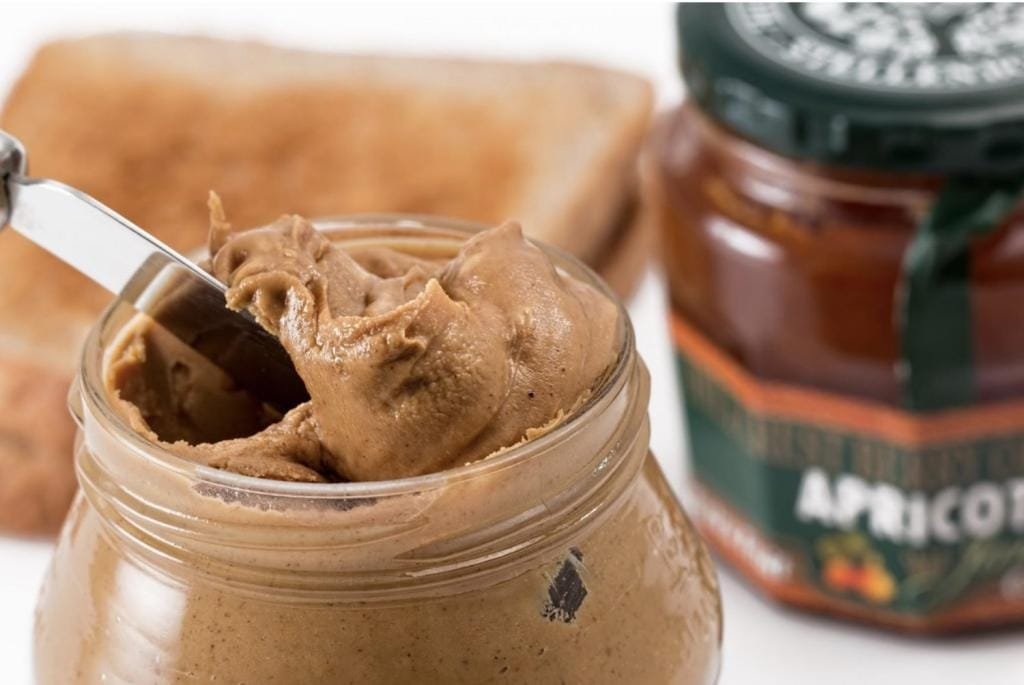
Protein is a crucial nutrient that ensures growth and maintains ideal muscle development. If you’re willing to enhance the production of dopamine, then you need to increase the consumption of certain amino acids. One such amino acid, L-Tyrosine, transforms into dopamine through various biochemical enzymatic reactions.
Operational Spec: Aim for roughly 0.5-1 gram of protein per pound of body weight daily. Specifically, the enzyme tyrosine hydroxylase converts L-tyrosine into L-DOPA, which is then converted into dopamine. It’s a biological cascade, and tyrosine is the starting point. Distributing your protein intake throughout the day ensures a steady supply of fuel for your brain. For those managing a busy schedule, learning 3 food recipes you can cook under 10 minutes can ensure you never miss your protein targets.

As an Amazon Associate TWK earns from qualifying purchases.
Do More Exercise
Another activity that can increase your dopamine levels and boost your mood is exercise. You can try exercising for at least 15 to 20 minutes daily to amp up your dopamine levels. Research suggests that working out activates the reward center of your brain and motivates you for other activities. Regular exercise can actually increase the number of dopamine receptors in your brain, making you more sensitive to the chemical over time. It’s like upgrading your brain’s hardware.
The Strategy: High-intensity interval training (HIIT) has been shown to be particularly effective at boosting dopamine levels compared to steady-state cardio. Exercising in the morning aligns with your body’s natural circadian rhythm, where cortisol levels are naturally higher, enhancing the dopaminergic response. This sets you up for a more productive and focused day.
Get Proper Sleep

Did you know that sleep has a direct relation to your mood and mental health? Adequate rest enhances the production of dopamine and related neurotransmitters. Lack of sleep reduces the production of dopamine and decreases motivation levels. Sleep deprivation is a dopamine killer; it causes your brain’s dopamine system to become dysregulated, leading to impaired cognitive function.
The Protocol: Aim for a consistent sleep-wake cycle. To set your dopamine ceiling for the day, you need 10,000 Lux of sunlight hitting your retinas within 60 minutes of waking. This triggers the pulse that sets your internal clock. For more on the long-term impact of digital habits on rest, see the effects of late-night phone use on adolescent health.
Cut Down Sugar Intake
Sugar intake instills a sense of happiness that is both temporary and harmful. This is because the sugar rush precedes a state of low mood and sorrow. Sugar triggers a massive dopamine spike that your brain isn’t prepared for, leading to receptor “downregulation”—meaning you become less sensitive to dopamine over time. By cutting processed sugars and focusing on complex carbs, you force your brain to find pleasure in real achievements rather than cheap glucose spikes.
Try Herbal Remedies

When it comes to lowering stress levels, certain adaptogenic herbs can help regulate your receptors. Rhodiola Rosea has been shown to increase dopamine levels and improve cognitive function under stress. Similarly, Mucuna Pruriens contains L-DOPA, the direct precursor to dopamine. These should be used as supplements to a healthy foundation of sleep and diet, not a replacement for them.
Reduce Stress
Chronic stress is the enemy of motivation. When your cortisol levels are high, they inhibit your brain’s ability to release dopamine. This is why everything feels impossible when you’re overwhelmed. Utilizing the “Physiological Sigh” (two inhales, one long exhale) can instantly lower your heart rate and re-enable the flow of dopamine. Managing your stressors allows your brain’s natural mood-enhancing capabilities to function at 100%.
Spend Time Amidst Nature
Spending time in nature is the ultimate hardware recalibration. “Forest Bathing” or just heading to a park with lush greenery can increase your alertness and concentration levels in minutes. This environment increases the release of feel-good hormones like endorphins and serotonin, which work with dopamine to create a sense of calm composure. Nature gives you the boost without the mental strain of forcing focus.
Final Words: Building for Resilience
Boosting your dopamine levels isn’t about chasing fleeting pleasure. It’s about creating a sustainable foundation for focus and well-being. Start small: fix your sleep, hit your protein targets, and get outside. Do your part to protect your happiness hormones, and the motivation will follow.
Tactical Specs: Dopamine Optimization
- ✅ SYSTEM RESET: Baseline Re-calibration (24-48 Hours)
- ✅ KEY METRIC: 10,000+ Lux Retinal Light Exposure
- ✅ PRECURSOR: L-Tyrosine (Protein) Loading